Dollis Hill Willesden Lane Gardening Guide for Terraced Yards
If you have a terraced yard near Willesden Lane, you already know the basics: space is tight, privacy matters, and every square metre has to earn its keep. A good garden can feel like a bonus room outdoors, while a poor layout can make the whole place feel cramped and hard to use. This Dollis Hill Willesden Lane gardening guide for terraced yards is here to help you turn that awkward little strip behind the house into something calm, practical, and genuinely pleasant to spend time in.
Whether your yard is paved, patchy, shaded, windy, overlooked, or all four at once, the right approach can make a surprising difference. The trick is not trying to force a country garden into an urban terrace. It is about working with the site, simplifying the maintenance, and making each decision count. Let's take it step by step.
Why Dollis Hill Willesden Lane gardening guide for terraced yards Matters
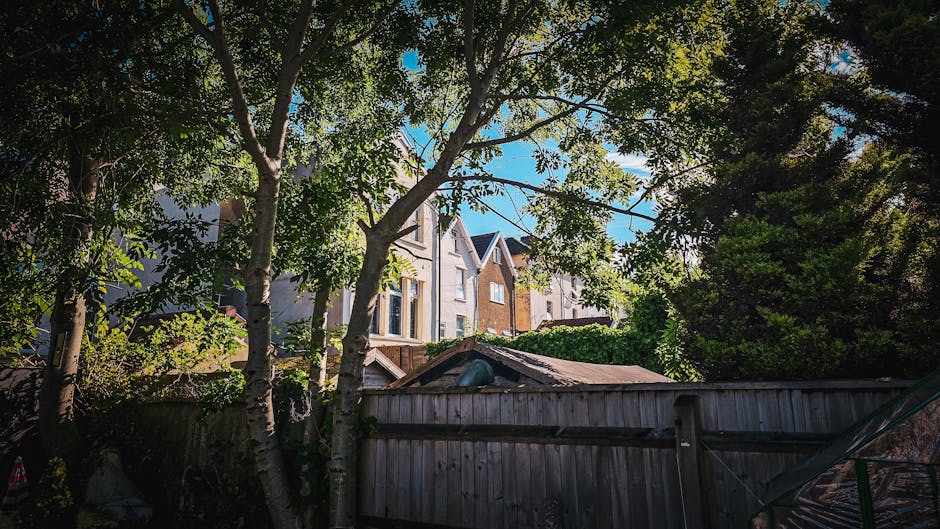
Terraced yards in this part of London are often compact, enclosed, and shaped by neighbouring walls, side returns, narrow access, and a mix of sun and shade that changes through the day. That means generic gardening advice often falls flat. What works in a broad suburban lawn garden may do very little in a narrow yard where drainage is poor and privacy is limited.
In practical terms, the garden is doing several jobs at once. It may need to be a sitting area, a storage route, a drying space, a play zone, a pet-friendly patch, and a place for planting. That is a lot to ask of a small footprint. A smart plan keeps the garden from becoming cluttered or hard to maintain.
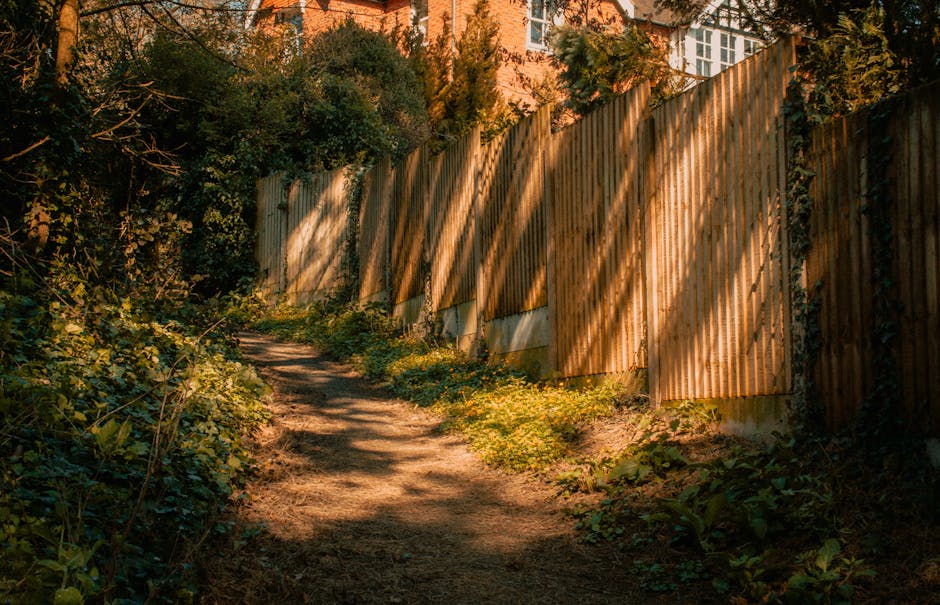
It also matters because terraced yards can quickly reveal their weak spots. A bare fence line looks harsh. A cramped patio can feel more like a corridor than a retreat. Weedy joints between slabs, ivy on old walls, and overgrown corners are all common in real-life yards around Dollis Hill and nearby streets. Get the structure right, and the rest becomes much easier.
One useful principle here is that small gardens reward discipline. Not rigidity, just discipline. Fewer plant types, clearer lines, and better zoning usually beat a crowded collection of "nice ideas" every time.
Expert summary: In terraced yards, success usually comes from three things: creating usable circulation, reducing maintenance pressure, and using vertical space well. If those three are working, the rest starts to click into place.
How Dollis Hill Willesden Lane gardening guide for terraced yards Works
The guide works by breaking the yard into functional layers rather than treating it as one flat space. That sounds simple, but it changes how you design. First, you decide where people will walk. Then you decide where they will sit. After that, you decide what should grow upward, what should stay low, and what should be easy to clean or access.
In a terraced yard, vertical surfaces matter just as much as the floor. Fences, walls, railings, trellises, and planters can hold visual interest without eating into precious ground area. If the yard is overlooked, screening becomes part of the design rather than an afterthought. For a deeper look at this kind of approach, see the ideas in the vertical gardening guide.
Drainage is another big piece. Many terraced yards have compacted soil, old paving, or a mixture of hard and soft surfaces that can hold water after heavy rain. Before planting heavily, it helps to understand whether water drains away easily or sits around after a downpour. If you are already dealing with mossy paving or slippery build-up, a practical cleaning and upkeep plan can save a lot of hassle later.
Then there is the question of maintenance style. Some yards should be designed for frequent attention, especially if you enjoy pruning, replanting, and seasonal refreshes. Others need a low-fuss structure with durable plants, simple surfaces, and fewer recurring jobs. That choice matters more than people think.
At its simplest, the process looks like this:
- Measure the yard properly and note shade, wind, access, and drainage.
- Decide what the yard must do, not just what you want it to look like.
- Choose hard landscaping and paving layouts before choosing plants.
- Use vertical features to add privacy, height, and softness.
- Plant for the conditions you actually have, not the ones you wish you had.
- Build in maintenance from day one so the space stays usable.
Key Benefits and Practical Advantages
A well-planned terraced yard does more than look nice. It changes how the property feels day to day. You step outside, and instead of seeing a problem area, you see a usable extension of the home. That shift is worth a lot.
- Better privacy: Smart screening with hedging, climbers, or layered planting helps reduce the feeling of being on display.
- More usable space: A clear layout makes small yards feel wider and easier to move through.
- Lower maintenance: Durable finishes and sensible planting reduce constant weeding and repairs.
- Improved drainage and cleanliness: The right surfaces and spacing help avoid mud, puddles, and slippery areas.
- More year-round interest: Evergreens, textured walls, and containers keep the garden looking alive even in winter.
- Better family use: A safe, tidy layout makes the yard more comfortable for children, guests, or pets.
There is also a quieter benefit: a good yard tends to invite use. People sit outside for ten minutes more. They open the back door and actually step into the garden. That sounds tiny, but it changes how the home feels. To be fair, that is often what people are really after.
If your yard has been neglected for a while, the first wins can be surprisingly simple. Clearing weeds, refreshing edges, trimming back growth, and sorting the paving can make the space feel calmer almost immediately. For a more structured start, you might also find this neglected-garden reset guide useful.
Who This Is For and When It Makes Sense
This guide is for homeowners, tenants with permission to improve their yard, landlords wanting a more presentable outdoor space, and anyone who feels their small back garden has become more trouble than pleasure. If your yard is narrow, shaded, or exposed to neighbouring views, this approach is especially relevant.
It makes sense when you want one or more of the following:
- a compact entertaining area
- a private retreat without building a fortress
- a garden that is easy to keep tidy
- space for containers, herbs, or low-maintenance planting
- a safer surface for children or pets
- a better-looking property from the rear
It is also useful if you are preparing to sell or rent a property. A tidy terrace yard can improve first impressions in a way that feels subtle but powerful. Buyers and tenants often notice whether a garden feels manageable. They may not say it out loud, but they notice.
And if your yard is one of those slightly awkward ones with a wall at one end, a side gate at the other, and not much width in between? Even more reason to plan carefully. Small errors get magnified in small spaces.
Step-by-Step Guidance
1. Start with a simple site audit
Before buying plants or materials, look at the yard at different times of day. Where does the sun actually land? Where does water linger after rain? Which areas feel cramped, dark, or exposed? If you can, take photos from the back door and from the far end of the yard. That often shows the real problems more clearly than standing in the middle with a vague idea.
2. Clear the space properly
Remove broken pots, old timber, dead growth, loose rubble, and anything that makes movement awkward. A small yard can get visually noisy very quickly. Clearing does not have to mean stripping everything back to nothing. It just means creating breathing room. If ivy or aggressive climbers are taking over old brickwork, it may be worth reading the ivy control advice before you decide what to keep.
3. Fix the floor before decorating the walls
In terraced yards, the ground plane does a lot of heavy lifting. Level paving, tidy gravel, stepping stones, decking, or a mixed surface can all work, but they should be chosen for traction, drainage, and maintenance. A clean, continuous floor makes the whole area feel larger. Broken patches and mixed finishes without a plan tend to make it feel messier.
4. Build privacy with layers, not just height
Many people jump straight to fencing or tall planting, but layering often looks better. A lower screen, a mid-height shrub or hedge, and a climber on the fence can soften views without making the garden feel boxed in. If you are comparing privacy options, it can help to browse fast-growing hedge ideas alongside more permanent planting plans.
5. Use containers for flexibility
Containers are excellent in small yards because they let you control soil quality, height, colour, and layout. You can move them for events, shift them away from harsh wind, or swap seasonal displays without redesigning the whole garden. A well-placed pot can be the difference between a dead corner and a focal point. There is a good practical overview in this container gardening guide.
6. Add planting that suits the light you really have
Shady yards need different choices from sunny ones. Evergreen climbers, ferns, shade-tolerant perennials, and structured shrubs can all work, but they need the right setting. If your yard barely gets direct sun, do not fight it. Work with it. For a more targeted idea set, take a look at evergreen climber ideas for shady areas.
7. Finish with clean edges and one clear focal point
Edges matter in small gardens. A neat border, a bench, a statement pot, a feature tree in a container, or a simple seating nook can pull the whole space together. Without one focal point, the eye tends to wander and notice every rough bit. And yes, in a tiny yard the rough bits shout louder than they do anywhere else. Rude, but true.
Expert Tips for Better Results
Here is where a little experience saves a lot of grief. Terraced yards are not difficult, but they are unforgiving if you make broad-brush choices. Small improvements deliver outsized results, and bad choices show up fast.
- Choose repeat planting rather than too many varieties. Repetition creates calm and makes maintenance easier.
- Use one or two surface materials, not five. Too many finishes make a narrow yard feel chopped up.
- Keep the middle of the yard open where possible. Crowding the centre can make everything feel tighter.
- Mix evergreen structure with seasonal softness. You want the garden to look good in January as well as June.
- Plan storage early. Bin storage, tools, and cushions need a home or they take over the whole yard.
- Think in sightlines. What do you see first when you open the back door? Make that view count.
If you like a calmer, more meditative feel, a pared-back design can work beautifully in a terraced setting. There is some nice inspiration in these zen garden ideas. On the other hand, if you want the garden to work harder for family life, planning for pets or children may be the priority. In that case, see safe and joyful garden ideas for kids and compare what matters most to you.
A small note from real-world practice: people often want more planting than they can sensibly maintain. It happens all the time. The garden looks lovely in April, then by September the weeding starts and the charm evaporates a bit. Better to plant slightly less and enjoy it properly.
Common Mistakes to Avoid
Most terraced-yard problems come from trying to do too much, too fast, or without enough structure. The results can be costly, messy, or just plain annoying.
- Overplanting: Too many species, too close together, leads to crowding and maintenance headaches.
- Ignoring drainage: Water issues in small yards are never harmless. They turn surfaces slippery and soil unhappy.
- Choosing the wrong privacy screen: A quick fix that grows too large can make the yard feel boxed in within a year or two.
- Leaving weak surfaces in place: Loose paving, cracked slabs, and patchy decking create safety and cleaning issues.
- Forgetting about access: If you cannot get to pots, walls, or the back corner easily, maintenance gets frustrating.
- Designing for looks only: Beautiful but impractical layouts usually fail once regular life starts.
Another common issue is ivy or self-seeding growth left to run unchecked. It can look charming for a while, then become a long-term repair job. If that rings a bell, the article on permanent ivy control is worth your time.
And since we are being honest, not every terraced yard needs a "theme." Sometimes the smartest choice is simply a tidy, green, durable space that feels good to walk through. That is enough. More than enough, often.
Tools, Resources and Recommendations
You do not need a huge toolkit to improve a small yard, but the right tools save time and make the work cleaner. If you are starting from scratch, focus on the basics first.
- Hand trowel and fork: for container planting and tight borders
- Pruning shears: for light shaping, deadheading, and tidying
- Spade and garden fork: for lifting, turning, and edging
- Weed scraper or patio knife: useful for paved yards and slab joints
- Watering can or hose with control nozzle: for small, targeted watering
- Gloves and kneeling pad: small comforts, but they matter
- Wheelbarrow or garden trug: handy for waste and materials
For a broader overview of practical kit, this gardening tools guide is a sensible companion read. If your yard includes a patio zone, regular cleaning also pays off. Even a carefully designed space can look tired if the paving grows grimy or slippery, so a maintenance rhythm helps. In some cases, pairing layout changes with patio cleaning makes a visible difference very quickly.
For broader support, you may also want to think beyond planting. Services such as garden maintenance, landscaping, fencing, and decking services can all play a role depending on the yard's condition and your goals. Not every project needs all of them, of course. Sometimes it is one job done well that unlocks the whole space.
If you are comparing scope, timing, or budget, it can help to review pricing and quotes before deciding what to do first. That way you are not guessing, which is always a relief.
Law, Compliance, Standards, or Best Practice
For terraced yards, compliance is usually less about paperwork and more about doing things safely, thoughtfully, and in line with normal UK best practice. If you are altering boundaries, installing fencing, changing levels, or planning major structural work, it is sensible to check whether permission or neighbour agreement may be needed. Exact requirements depend on the property and the work involved, so careful checking is better than assumptions.
Safety matters too, especially if the garden includes uneven paving, tools, climbing work, or heavy lifting. A reputable gardener or contractor should work with basic job safety in mind, use suitable equipment, and leave the site secure. If you want to understand how a provider approaches this, it is worth reading about insurance and safety and the broader health and safety policy.
There are also everyday trust signals that matter. Clear terms, transparent payment handling, a usable complaints route, and straightforward privacy information are all signs of a service that takes its responsibilities seriously. Those details are not glamorous, but they matter when you are letting someone work at the back of your home.
You can also review the site's terms and conditions, payment and security information, privacy policy, and cookie policy if you want a fuller picture before making contact.
For larger works involving trees or boundary planting, specialist judgement can be helpful. A mature tree in a tight urban yard can change light, roots, and moisture levels more than people expect. If in doubt, get advice before cutting first and thinking later. That old approach tends to create more work.
Options, Methods, or Comparison Table
There is no single best way to design a terraced yard near Willesden Lane. The right method depends on how much upkeep you want, whether privacy is a priority, and how heavily the space will be used. The table below gives a simple comparison.
| Approach | Best for | Advantages | Trade-offs |
|---|---|---|---|
| Low-maintenance paved yard with containers | Busy households and rental-friendly spaces | Easy to clean, flexible layout, tidy year-round | Needs careful styling to avoid feeling bare |
| Soft planted yard with borders and climbers | People who want a greener, more private retreat | More natural feel, better screening, seasonal interest | Requires more pruning, watering, and weeding |
| Mixed-use courtyard with decking or seating zones | Entertaining, family use, and everyday outdoor living | Clear zoning, comfortable, visually balanced | Can cost more and needs good planning upfront |
As a rule of thumb, if you are not keen on gardening every week, lean harder toward structure, containers, and evergreen framework. If you enjoy the process and do not mind a bit of seasonal work, a richer planted scheme can be rewarding. The honest answer is that both can work. The yard will tell you which one is fighting uphill.
Case Study or Real-World Example
Consider a narrow terraced yard that starts as a tired strip of cracked paving, a leaning fence, and two oversized planters full of half-dead shrubs. The owners want somewhere to sit, but they also want privacy and less mess. They do not want a full rebuild, just a proper transformation.
The first change is clearing out the clutter and pressure-washing the paving. That alone makes the yard feel brighter. Next comes a simple layout: one seating area near the back door, a line of containers along the fence, and a climbing framework on the most overlooked side. The centre of the yard is kept open, so the space does not feel jammed up.
Then the planting is tightened up. Instead of six different random species, the design uses a smaller palette: a few evergreen forms for structure, some seasonal colour, and one or two climbers to soften the boundary. The result is not flashy, but it feels right. On a damp Tuesday morning or a sunny Saturday afternoon, it just works.
That is often the best test, really. If the garden works on an ordinary day, not just in the "before and after" photo, you are on the right track.
If the yard is in rough shape before any design work begins, a staged clean-up can help. The advice in turning around a neglected garden fits this kind of project well.
Practical Checklist
Use this quick checklist before you start or when you are reviewing an existing terraced yard.
- Have I measured the space properly, including awkward corners?
- Do I know which parts get sun, shade, and wind?
- Is drainage working, or does water sit after rain?
- Have I decided what the yard is mainly for?
- Is the centre of the space easy to move through?
- Do I have enough storage for tools, cushions, and bins?
- Have I chosen at least one privacy solution?
- Are my planting choices suitable for the light levels?
- Have I kept maintenance realistic for my schedule?
- Do the edges, surfaces, and boundaries look tidy and safe?
Helpful reminder: if your checklist keeps growing instead of shrinking, pause and simplify. A small yard usually improves when you remove one more problem, not when you add one more feature.
Conclusion
A terraced yard near Willesden Lane does not need to be large to feel special. It needs to be clear, balanced, and designed with real life in mind. Once you stop asking it to do everything at once, the space becomes much easier to shape.
The best Dollis Hill terraced yards usually combine structure, privacy, and modest planting with a layout that feels calm the moment you step outside. That is the sweet spot. Not overdone, not undercooked. Just practical, welcoming, and simple enough to keep looking good.
If you are ready to improve a compact outdoor space, start with the basics: better circulation, smarter planting, and a plan that fits your lifestyle. You do not need perfection. You need a garden that behaves itself most of the time, which is honestly the dream.
Get a free quote today and see how much you can save.
And if you take only one thing from this guide, let it be this: small gardens can be deeply satisfying when they are built with care. They have a way of giving back more than you expect.
Frequently Asked Questions
What makes a terraced yard different from a regular back garden?
Terraced yards are usually narrower, more enclosed, and more exposed to neighbouring boundaries. That changes everything from drainage to privacy and even the best plant choices. A small space needs sharper planning, otherwise it can feel cluttered very quickly.
What is the best low-maintenance layout for a small yard?
A simple layout with one clear seating area, a tidy circulation route, and containers or raised features along the edges is often the easiest to manage. Keeping the centre open helps the garden feel larger and reduces maintenance pressure.
How do I make a terraced yard feel more private?
Layering is usually better than relying on one tall screen. A mix of fencing, climbers, hedging, and container planting can soften sightlines without making the yard feel boxed in. It looks more natural too.
Are containers a good idea for Willesden Lane gardens?
Yes, containers are often one of the best tools for small urban gardens. They are flexible, manageable, and ideal when the soil is poor or when you want a design that can be changed easily through the year.
What should I do if my yard gets very little sun?
Choose shade-tolerant planting and do not fight the conditions. Evergreens, climbers suited to shade, and structural foliage can work well. The goal is to design for what the yard actually offers, not for an idealised version of it.
How can I stop a small yard from looking cluttered?
Limit the number of materials and plant types, keep the layout simple, and leave some breathing room in the middle. In a small space, too many features compete with one another. Fewer, better choices usually win.
Do I need professional help for a terraced yard makeover?
Not always, but professional help is useful if the yard has poor drainage, major overgrowth, unsafe paving, or a layout that needs more than a quick tidy. A good contractor can often save time and prevent avoidable mistakes.
What is the biggest mistake people make with small gardens?
Trying to do too much at once. Overplanting, over-decorating, and ignoring the basic structure can make a terraced yard feel smaller and harder to maintain. Start with the framework, then add the extras carefully.
How often should a terraced yard be maintained?
It depends on the design, but small gardens usually benefit from lighter, regular attention rather than occasional big clear-outs. A little upkeep each week is far easier than a full rescue job every few months.
Can a small yard still have a seating area?
Absolutely. In fact, that is often the best use for the space. Even a compact bistro set or built-in bench can make a terraced yard feel like an extra room, especially if it is positioned with privacy and circulation in mind.
What services are most useful for improving a terraced yard?
That depends on the starting point, but garden maintenance, landscaping, fencing, patio cleaning, and decking can all be relevant. The best choice is the one that addresses the actual problem, not just the one that sounds exciting.
How do I get started if the garden is badly neglected?
Begin with clearing, pruning, and cleaning rather than redesigning immediately. Once the space is visible again, it becomes much easier to decide what should stay, what should go, and what the next phase should be.
Who can I speak to about a terraced yard project in Dollis Hill?
If you want to discuss options, compare approaches, or request practical help for your garden, use the available contact page to start the conversation and outline what you need.