Recycling and Sustainability for Gardeners Dollis Hill
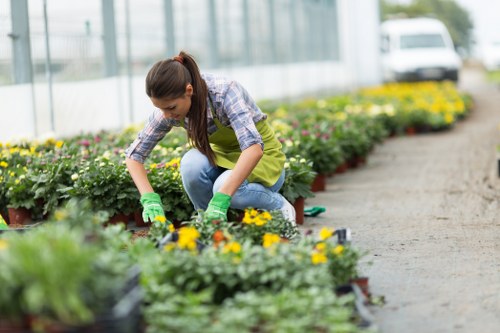 Gardeners Dollis Hill supports greener outdoor spaces through practical recycling, responsible disposal, and low-carbon working methods. Whether maintaining a family garden, a communal courtyard, or a larger landscaped site, our approach is built around reducing waste at source, reusing materials where possible, and keeping recyclable garden debris out of general rubbish streams. A key part of this commitment is a recycling percentage target of at least 85% for suitable green waste and recoverable site materials, helping each project move closer to a circular, low-impact model.
In practice, that means separating organic matter such as grass cuttings, hedge trimmings, leaves, and untreated branches so these can be processed more efficiently. We also look at the everyday items that arise during garden maintenance, including plant pots, broken supports, cardboard packaging, and bagged materials, with an emphasis on sorting them properly before removal. This Gardeners Dollis Hill recycling focus is especially relevant in an area where borough-level waste systems encourage careful separation and cleaner recycling streams.
 Dollis Hill and nearby parts of north-west London are served by waste services that increasingly reward cleaner sorting, so our methods are designed to align with local expectations. By keeping green waste, soil, and reusable materials distinct, we reduce contamination and improve the chance that more of what leaves a site is recovered rather than discarded. In many cases, this includes separating mixed garden waste from general refuse, which is a simple but effective way to support the boroughs’ approach to waste separation.
We also use local transfer stations to improve the journey of recyclable material after collection. These facilities are an important link in the sustainability chain, allowing sorted waste to be consolidated, weighed, and directed to the most appropriate treatment route. For Gardener Dollis Hill projects, that may include transfer points used for green waste, inert materials, and other recoverable items, ensuring that loads are handled efficiently and with minimal unnecessary transport. This process helps support lower emissions while keeping the overall disposal method transparent and organised.
Partnerships with charities are another important part of our sustainability strategy. Where appropriate, reusable items such as terracotta pots, decorative planters, metal supports, watering cans, and good-quality tools may be channelled toward community groups or charity partners rather than sent for disposal. These collaborations help extend the life of useful materials, support local initiatives, and give surplus garden items a second purpose. In some cases, plants and containers can also be passed on for community growing projects, helping resources stay within the local area.
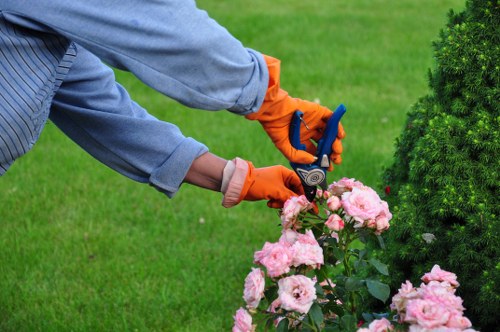 This reuse-first mindset also benefits seasonal clearances and larger tidy-ups. Instead of treating every unwanted item the same way, we assess whether it can be repaired, repurposed, donated, recycled, or responsibly processed. That distinction matters because garden maintenance often produces a mix of materials, from woody cuttings to plastic trays and metal fittings. By handling those streams separately, Gardeners Dollis Hill can keep the sustainability effort practical rather than symbolic, with real environmental gains across every visit.
Our vehicle policy reinforces that approach. We operate low-carbon vans designed to reduce fuel use and lower emissions during transport between jobs, transfer stations, and collection points. These vans support shorter-running, cleaner journeys while still providing the capacity needed for green waste and recyclable loads. For customers, that means the sustainability of the service begins not only with what is recycled, but also with how the work is carried out on the road.
We also take a thoughtful view of packaging and site materials. Cardboard from plant deliveries, plastic wrapping, broken seed trays, and excess sacks are considered for recycling where appropriate, while clean timber and untreated branches are directed to specialist recovery pathways when suitable. This is particularly useful in urban gardens where small spaces can generate surprisingly varied waste. A steady, sorted system helps keep the project tidy while supporting better resource recovery across the local supply chain.
Gardeners Dollis Hill recycling practices are shaped by the needs of the neighbourhood as well as wider environmental goals. In boroughs where residents are encouraged to keep food waste, dry recycling, and garden waste separate, professional garden services must work in the same direction. Our sustainability process reflects that standard by keeping waste streams clean, moving recyclables through the right channels, and supporting the wider effort to cut landfill reliance. It is a straightforward way to make garden care more responsible without changing the quality of the work itself.
 Beyond day-to-day waste handling, our sustainability outlook includes a continued push to improve the recycling percentage target and reduce avoidable emissions year after year. That means reviewing how materials are sorted, how routes are planned, and how reusable items are identified before disposal. It also means staying aligned with local recycling infrastructure so the service remains efficient as borough requirements evolve. For clients, the result is a greener gardening service that supports both the look of the garden and the health of the wider environment.
Recycling Gardeners Dollis Hill services are not just about disposal; they are about making each stage of the job more considered. From compostable clippings to donated planters and lower-emission transport, every part of the process is designed to reduce waste and increase recovery. Where possible, the work is organised to prioritise reuse first, recycling second, and disposal only when no better option exists.
 By combining local transfer stations, charity partnerships, low-carbon vans, and a disciplined approach to sorting green waste, Gardeners Dollis Hill provides a sustainability-led service suited to urban gardening needs. The emphasis on careful separation, higher recycling rates, and practical reuse helps ensure that routine garden maintenance contributes to a cleaner, more resourceful local area. It is a modern way to care for outdoor spaces while keeping environmental impact firmly in check.