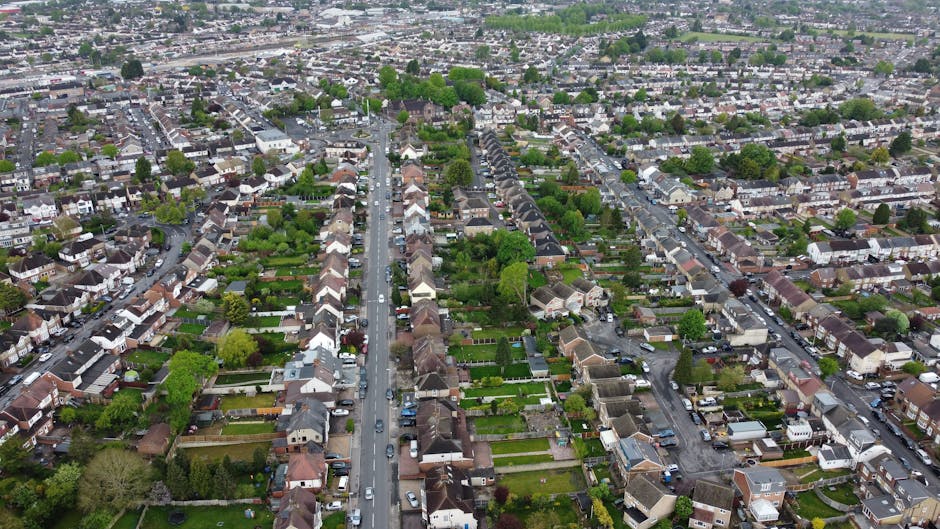
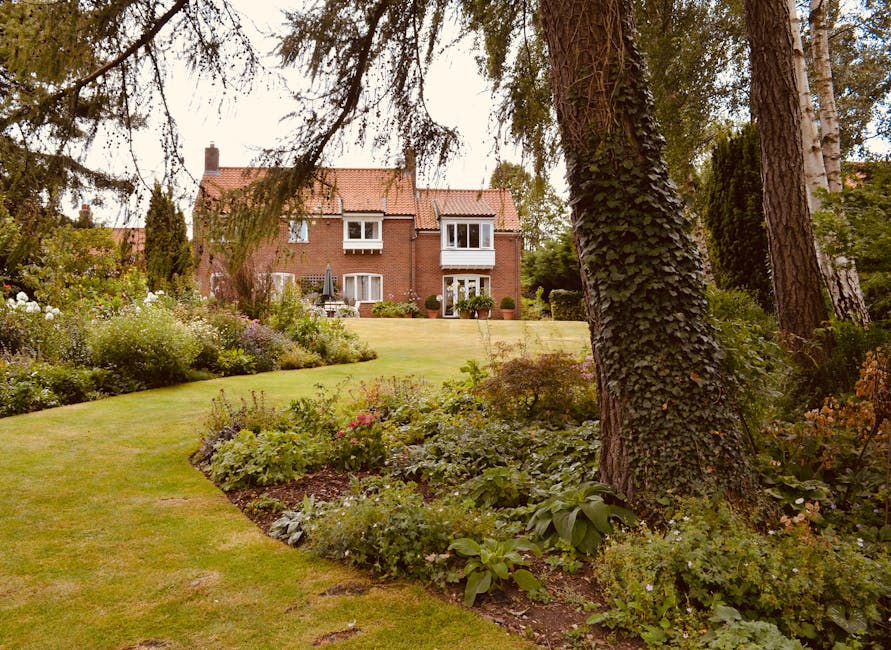
Estate gardeners for Mapesbury estate quick local quotes
If you are looking for estate gardeners for Mapesbury estate quick local quotes, you probably want two things at once: a garden team that understands larger shared spaces, and a fast, sensible price without a long back-and-forth. Fair enough. Estate gardens tend to be less forgiving than a typical back garden. Paths need to stay clear, hedges need to look even, lawns need regular attention, and planting has to survive real-world use, not just look good for one afternoon in spring.
In Mapesbury, that often means working around communal access, older planting schemes, boundary hedges, seasonal leaf fall, and the everyday wear that comes with residents, visitors, pets, and weather. The good news? Getting a quick local quote does not have to be messy or confusing. With the right information, you can compare options properly, avoid surprises, and book a service that fits the site instead of forcing the site to fit the service.
This guide explains how estate gardening quotes usually work, what makes them quicker, where the real costs come from, and how to judge whether a quote is actually good value. It also covers practical examples, common mistakes, and a straightforward checklist you can use before you contact a contractor. If you want a wider overview of service scope first, it may help to look at the main gardening services and the longer-term support available through garden maintenance.
Table of Contents
- Why estate gardeners for Mapesbury estate quick local quotes matters
- How the quoting process works
- Key benefits and practical advantages
- Who this is for and when it makes sense
- Step-by-step guidance
- Expert tips for better results
- Common mistakes to avoid
- Tools, resources and recommendations
- Law, compliance, standards, or best practice
- Options, methods, or comparison table
- Case study or real-world example
- Practical checklist
- Conclusion
- Frequently asked questions
Why Estate gardeners for Mapesbury estate quick local quotes Matters
Estate gardening is not just a bigger version of domestic gardening. The scale is different, the expectations are higher, and the consequences of a poor decision can be felt across multiple homes or shared areas. One missed hedge cut or a neglected border can make an entire estate feel tired. That is why a quick local quote matters: it helps you move from a vague problem to a workable plan without losing momentum.
In practical terms, speed matters because estate gardening issues rarely stay small for long. Weeds spread. Ivy creeps. Wet weather turns leaf build-up into slippery paths. One resident notices a patch of lawn decline, another raises a complaint about overgrown access, and suddenly you are dealing with a broader maintenance issue. A fast quote helps you act early, and early action is usually cheaper and easier than a full reset.
There is also a trust angle here. A local team that knows the area is more likely to understand the rhythm of the site, the access constraints, and the kind of finishes residents expect. For example, a tidy communal lawn cut may be routine, but the real value is in consistency: the small details, the edges, the kerb line, the way the place feels when you walk through it on a damp morning.
If you are comparing providers, it can be useful to see how they approach related services like lawn care and hedge trimming, because those are often the tasks that define the look and feel of an estate most quickly.
How Estate gardeners for Mapesbury estate quick local quotes Works
The process is usually simpler than people expect. A good local gardener or estate maintenance team will want a clear picture of the site, the work required, and how often the work needs to happen. From there, they can estimate labour, materials, disposal, and any specialist equipment. The better the information, the quicker the quote.
Most quick quotes begin with a short enquiry. That might be a phone call, a contact form, or an email with a few photos. The most useful photos are not glamorous ones. Take a wide shot of the area, then a couple of close-ups of the problem spots: an overgrown hedge, compacted lawn, a broken fence section, a weeded path, or a bed that needs replanting. A garden can look fine in one angle and completely different from another. Nature has a sense of humour like that.
After the initial review, a quote normally falls into one of three patterns:
- Fixed quote: best for clearly defined tasks such as hedge trimming, one-off clearance, or patio cleaning.
- Day-rate or labour estimate: useful when the site has mixed jobs or hidden issues.
- Ongoing maintenance plan: suitable for estates that need regular visits rather than a one-off tidy.
For larger or more complex jobs, a site visit is often the fairest way to quote. That lets the gardener assess access, waste removal, slopes, drainage, and planting condition properly. If you need an overview of how pricing is typically structured, the page on pricing and quotes is a useful place to start.
In some cases, the quickest route is a hybrid approach: a rough quote from photos followed by a brief walkaround to confirm details. That is often enough for estate managers who need speed without gambling on guesswork.
Key Benefits and Practical Advantages
Quick local quotes are not just about convenience. Done well, they create a better decision-making process. You can compare like with like, set priorities, and avoid overcommitting budget to jobs that are not urgent yet.
- Faster decision-making: You can respond to resident concerns or maintenance issues before they snowball.
- Better budget control: A clear quote makes it easier to separate essential work from optional improvements.
- Local knowledge: Gardeners working nearby are more likely to understand common site issues and seasonal patterns.
- More realistic planning: You can schedule work around access, bin days, school runs, or resident routines.
- Cleaner presentation: Regular estate care keeps communal spaces looking cared for, not merely repaired.
There is another benefit that people sometimes miss: morale. A tidy estate changes how people move through the space. They notice the scent of cut grass, the line of a freshly trimmed hedge, the way a clean path catches the light after rain. Small things, yes. But they matter. They shape how residents feel about where they live.
Where an estate has layered needs, a single provider may also be able to coordinate complementary work like patio cleaning, fencing, or tree surgery, which can simplify the whole process. That is one less thing to chase, and honestly, one less headache never hurts.
Who This Is For and When It Makes Sense
This kind of service makes sense for estate managers, freeholders, resident management companies, block managers, landlords with shared outdoor space, and anyone responsible for larger residential gardens in Mapesbury. It also suits committees or residents who are tired of chasing separate trades for every small issue.
It makes particular sense when:
- the grounds need regular upkeep rather than a one-off tidy;
- hedges, lawns, and borders are all part of the same maintenance picture;
- you need quicker turnaround because the space is publicly visible;
- access windows are limited and work needs to be efficient;
- there is a mix of soft landscaping and hard landscaping to manage.
It may also be the right move if the estate has become slightly neglected. Not a disaster, just one of those places where small delays have added up. If that sounds familiar, the article on turning around a neglected garden gives a useful way to think about priorities before you spend a penny.
On the other hand, if the work is purely cosmetic and the site is otherwise in good shape, a quick local quote may simply confirm that a light maintenance visit is enough. That is valuable too. Sometimes the best outcome is knowing you do not need a huge job after all.
Step-by-Step Guidance
If you want quick quotes that are actually useful, not just fast, follow a sensible process. Rushing the enquiry is how people end up with vague estimates and awkward follow-up calls. A little structure makes a big difference.
- Define the job clearly. Separate lawn care, hedge work, weed control, clearance, and any repairs. A single line like "general tidy-up" is too broad for a serious quote.
- Gather photos and notes. Include access points, awkward corners, gate widths, and the main problem areas. Mention if bins, parked cars, or resident access need to stay clear.
- Decide what success looks like. Do you want a one-off reset, a monthly maintenance plan, or a seasonal programme? That changes the quote structure.
- Ask what is included. Check whether waste removal, plant disposal, hedge cuttings, and fuel are included. No one likes hidden extras popping up later.
- Compare more than price. Look at responsiveness, clarity, availability, insurance, and whether the team seems to understand estate work.
- Confirm the schedule. For communal areas, timing matters. You may need early morning work, weekend restrictions, or a staggered visit.
- Review the plan after the first visit. A good gardener will refine the approach once they have seen the site in person.
One very practical trick: if you have both urgent and non-urgent jobs, split them. Get the quote for the urgent work first, then treat the rest as phase two. That keeps decision-making calm and avoids the classic "let's do everything at once" budget wobble.
For maintenance-heavy sites, it can also help to align the work with a seasonal routine. For example, growth spikes in spring may need more frequent hedge attention, while autumn is usually about leaf control and keeping paths safe. If you need fresh ideas on seasonal planting and structure, the piece on fast-growing hedge suggestions and the article about weed control tips are both worth a look.
Expert Tips for Better Results
In our experience, the best estate quotes come from people who know how to brief the job, not just name the problem. That sounds obvious, but it saves time. A lot of time.
- Use measurements where possible. Hedge lengths, lawn sizes, and the number of beds help a gardener estimate more accurately.
- Flag the difficult stuff upfront. Steep slopes, poor access, ivy on walls, and old stump areas all affect labour time.
- Ask about maintenance cadence. Weekly, fortnightly, and monthly visits all suit different estate needs.
- Request a breakdown. A transparent quote is easier to compare than one lump sum with no explanation.
- Think about durability. Sometimes a slightly better approach now reduces repeat work later.
One small but useful point: good estate gardeners are often good problem-solvers. They notice the drainage issue by the corner path, the bare patch beneath a hedge, or the ivy that keeps sneaking back after damp weather. It is not magic. It is just experience. And a steady eye.
If privacy and screening are part of the brief, the article on quick privacy hedge ideas can help shape a more practical brief before you ask for quotes.
Common Mistakes to Avoid
Most quote problems come from incomplete information, unrealistic expectations, or comparing apples with pears. It happens all the time.
- Giving a vague brief. "Sort the garden out" sounds simple, but it leaves too much room for assumptions.
- Ignoring access issues. Narrow paths, locked gates, and parking restrictions can change the job more than people think.
- Choosing on price alone. The cheapest quote can become the most expensive if it excludes key tasks.
- Forgetting waste disposal. Green waste removal is often a real cost, not a footnote.
- Not clarifying frequency. A one-off visit and ongoing maintenance are not the same thing.
- Skipping the paperwork check. Insurance, terms, and health and safety arrangements should be part of the conversation.
A surprisingly common issue is underestimating the value of preparation. If the site is cluttered, if there are half-finished projects everywhere, or if nobody knows where access keys are, the quote may rise simply because the job becomes harder to deliver. Fair enough, really.
One more thing: do not assume every garden problem needs heavy intervention. Sometimes a simple combination of mowing, edging, and weed management gives the site its dignity back. The blog post on budget-conscious garden solutions is useful if you are trying to keep improvements sensible rather than dramatic.
Tools, Resources and Recommendations
You do not need specialist equipment to request a better quote, but a few simple tools and habits make the process much easier.
- Phone camera: Take clear photos in daylight, ideally from several angles.
- Basic site notes: Write down hedge lengths, rough lawn sizes, problem areas, and access constraints.
- Calendar access: Check what days and times the estate can realistically be serviced.
- Budget range: A rough spending range helps gardeners suggest the right scope from the outset.
- Maintenance history: If you know when the site was last cut, trimmed, or cleared, mention it.
Useful supporting pages on this site include garden maintenance, lawn mowing, and about us if you want to understand the service approach before making contact. For trust and practical reassurance, it is also worth reviewing insurance and safety and health and safety policy.
If your estate includes children's play areas, shared seating, or pet-friendly zones, those details should be mentioned early. The same goes for tricky weather exposure. A site that catches wind or stays shaded for most of the day needs a different plan, and sometimes different plants altogether. If that is your world, the pieces on safe garden design for kids and securing your garden from weather can be surprisingly practical.
Law, Compliance, Standards, or Best Practice
For estate gardening, the main compliance concerns are usually practical rather than dramatic. You want a contractor who understands safe working practices, waste handling, access control, and resident protection. That is the baseline. Not glamorous, but it matters.
In the UK, a professional gardening team should be able to explain how they manage risk, especially where they are using powered tools, working at height, or carrying out tree and hedge work near paths, entrances, or parked vehicles. For estates, this becomes even more important because the work often happens close to the public or in shared residential areas.
Best practice usually includes:
- clear scope of works before the job starts;
- site-specific risk awareness;
- appropriate waste handling and tidying after work;
- care around residents, visitors, and pets;
- transparent terms and payment expectations;
- respect for privacy, access, and quiet enjoyment of the property.
It is also wise to check that any contractor can talk sensibly about tools, safety, and weather-related risks without sounding vague. If you want a broader view of the site's policies, the pages on terms and conditions, payment and security, privacy policy, cookie policy, and modern slavery statement are useful trust signals to review.
For estate managers, a good rule is simple: if a provider is clear, careful, and consistent in the quoting stage, that usually carries through to the work itself. Usually. Not always, but usually.
Options, Methods, or Comparison Table
When you request estate gardeners for Mapesbury estate quick local quotes, you are usually choosing between a few service styles. The right option depends on how urgent the issue is, how large the grounds are, and how predictable the maintenance needs will be over time.
| Method | Best for | Strengths | Limitations |
|---|---|---|---|
| One-off tidy-up | Overgrowth, seasonal reset, urgent presentation issues | Quick to arrange, easy to budget, good for immediate impact | Does not solve long-term upkeep on its own |
| Scheduled maintenance | Shared gardens, lawns, hedges, borders, regular presentation | Consistent results, fewer surprises, simpler for estate management | Needs ongoing planning and budget commitment |
| Phased improvement plan | Neglected or mixed-condition estates | Spreads cost, prioritises safety and visibility first | Requires a longer timeline and careful coordination |
For many Mapesbury estates, the phased approach is the most realistic. Start with what affects safety and appearance first, then layer in planting, borders, and any structural improvements. That way the site begins to feel managed again, rather than waiting for a perfect all-at-once overhaul that never quite arrives.
Related work can often be grouped sensibly. For example, landscaping might be paired with maintenance, or decking services might be considered if the estate has communal seating or a refurbished outdoor area. Just keep the scope realistic.
Case Study or Real-World Example
Imagine a small estate in Mapesbury with a central lawn, boundary hedges, several planting beds, and a paved access route between buildings. Nothing extreme. But after a wet spell, the hedges have started to look uneven, weeds are spreading at the path edges, and the communal space has lost its tidy shape.
The estate manager does not want a giant redesign. They need a quick local quote for the main problems: hedge cutting, lawn tidying, weed control, and a clearance of leaf build-up in the corners where everything collects. Photos are taken in the morning light, when the overgrowth is easier to see. The notes mention resident access times, a narrow side gate, and the need to keep the main path open at all times.
A quote based on that information is much more useful than a generic "please price the garden" request. The gardener can see the scale, estimate labour properly, and suggest whether the work should happen in one visit or in two stages. Maybe the first visit handles visibility and safety. The second handles detailing and follow-up care. Sensible, not flashy.
After the first cut and tidy, the estate feels sharper straight away. The hedges frame the space again, the path edges are cleaner, and the lawn stops looking like it is in a bad mood. The best part? The manager now has a realistic maintenance rhythm instead of chasing emergency fixes.
Practical Checklist
Use this checklist before requesting quotes. It keeps the conversation focused and helps you compare replies properly.
- Identify the exact areas to be worked on.
- Take clear photos from several angles.
- Note access points, parking limits, and any locked gates.
- List the main tasks in order of priority.
- Decide whether the job is one-off or recurring.
- Ask if waste removal is included.
- Check whether hedge, lawn, border, or tree-related work needs separate pricing.
- Review insurance, safety, and terms before agreeing.
- Confirm timing, frequency, and expected duration.
- Keep a record of the quote and any follow-up notes.
Expert summary: The fastest quote is not always the best quote, but the clearest quote usually saves the most time later. For estate gardens, clarity beats speed every time.
Get a free quote today and see how much you can save.
If you are ready to move from planning to action, the simplest next step is to make contact with the team and share a few photos plus a short note about the site. You can use the contact page to start that process.
Conclusion
Estate gardeners for Mapesbury estate quick local quotes are about more than speed. They are about making it easier to manage a shared outdoor space with confidence, fairness, and less stress. When quotes are clear, local, and based on real site details, you can make better decisions without dragging the process out.
That matters whether you are dealing with a lawn that needs regular care, hedges that keep pushing the boundaries, or a communal space that has simply drifted out of rhythm. A good quote turns uncertainty into a plan. And a good plan, even a modest one, tends to make everyone breathe easier.
Truth be told, gardens rarely need perfection. They need attention, consistency, and someone willing to look closely at what is actually happening. That is where good estate gardening really earns its keep.
Frequently Asked Questions
How fast can I get a quote for estate gardening in Mapesbury?
In many cases, a quick estimate can be provided after a short enquiry and a few photos. For larger or more complex estate sites, a brief visit is often needed to make the quote accurate.
What details should I send to get a faster local quote?
Send photos, rough measurements if you have them, the main tasks required, access details, and whether the work is one-off or ongoing. The clearer the brief, the faster the response usually is.
Do estate gardeners charge more than standard garden gardeners?
They may, depending on the size of the site, access challenges, frequency of visits, waste removal, and the level of coordination required. Larger shared spaces often need more planning than domestic gardens.
Can I ask for a quote before booking a site visit?
Yes. A photo-based estimate is often possible first. For accuracy, though, a site visit is sometimes the best way to confirm the real scope and avoid missing hidden issues.
What is usually included in an estate gardening quote?
That depends on the job, but a quote often includes labour, basic equipment, and sometimes waste disposal. Always check whether hedge cuttings, green waste, and material costs are included.
Is a one-off tidy-up better than regular maintenance?
It depends on the state of the grounds. A one-off tidy-up is useful for a reset, but regular maintenance is usually better for keeping an estate looking presentable over time.
What if the estate has poor access or narrow paths?
That should be mentioned upfront. Access issues can affect timing, labour, and equipment choice, so it is better to flag them early rather than after the quote is sent.
Do I need a maintenance plan for a shared garden?
Not always, but it often makes sense for communal spaces. Regular visits help keep lawns, hedges, and boundaries under control before they become a bigger issue.
How do I compare two gardening quotes fairly?
Compare the scope, not just the price. Check what is included, how often the work is scheduled, whether waste is removed, and whether the provider seems to understand estate-level work.
Are hedge trimming and lawn care usually priced separately?
Often, yes. These tasks can be quoted separately or bundled depending on the size of the site and the maintenance schedule. Asking for a breakdown makes comparison much easier.
What if the garden is badly overgrown or neglected?
That is still manageable. A phased approach is often the most practical route: safety and visibility first, then clearance, then longer-term improvements and maintenance.
How can I avoid hidden costs?
Ask exactly what is included before you agree. Waste removal, extra labour for access problems, and specialist tasks like tree work or heavy clearance are the usual things to clarify.
Should I choose a local gardener or a larger company?
Either can work. The better choice is the one that gives a clear, realistic quote and understands the needs of shared grounds. Local knowledge is often a real advantage, especially for quick turnarounds.
Can estate gardeners also help with other outdoor improvements?
Yes, many can coordinate related work such as landscaping, fencing, decking, tree surgery, and patio cleaning. That can be useful if the estate needs a joined-up approach instead of multiple separate contractors.