020 3744 3778
The First Steps to Turning Around a Neglected Garden
Posted on 01/09/2025
The First Steps to Turning Around a Neglected Garden
Discovering a neglected garden can be both daunting and inspiring. If your outdoor space has turned into a wilderness of weeds and tangled overgrowth, there's no need to feel overwhelmed. With the right approach and effective strategies, you can reclaim your garden and transform it into a thriving and beautiful retreat. This comprehensive guide explores the first steps to turning around a neglected garden, offering practical advice and actionable tips for any gardener eager to rejuvenate their outdoor sanctuary.
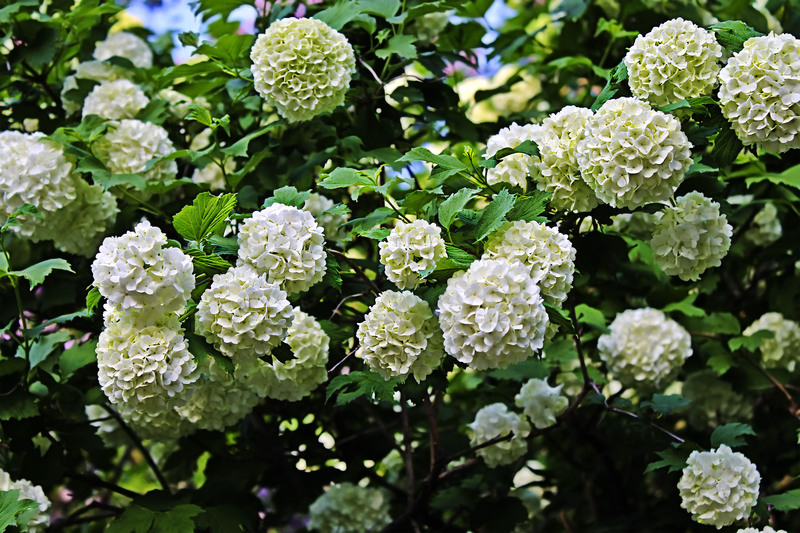
Assessing the Lay of the Land: Understanding Your Neglected Garden
Before diving into any gardening work, take time to observe and assess the state of your garden. Understanding the extent of neglect is a crucial first step. Here's how you can start:
- Walk around the entire garden: Note the types of weeds, the condition of lawn and beds, the presence of any established plants, and any features like paths, fences, or structures.
- Study the sunlight patterns: Observe which areas receive full sun, partial shade, or are densely shaded. This will influence plant choices and layout.
- Identify existing plants: Some valuable or cherished plants may be hidden under weeds. Mark their positions for protection during clearing.
- Check for damage: Examine fences, sheds, paving, and irrigation systems for needed repairs.
- Look for signs of pests or diseases: Identify areas infested with pests or affected by plant diseases for targeted treatment later.
Use a notebook or your smartphone to document your findings. Creating a simple sketch of your garden, noting key features and problem areas, will be immensely helpful as you move forward.
Prioritize Safety First
Before any physical work starts, ensure your safety. Overgrown gardens can harbor hazards such as sharp debris, hidden garden tools, uneven surfaces, thorny plants, and even wildlife like snakes or wasps. Wear sturdy gloves, boots, and long clothing for protection. Clear paths and check for any dangerous objects before moving ahead.
Essential Tools and Supplies for Garden Rehabilitation
A successful turnaround of a neglected garden relies not only on enthusiasm but on assembling the right tools. Here's what you'll likely need:
- Pruning shears and loppers - for trimming overgrown shrubs and small branches
- Garden forks and spades - crucial for turning and aerating compacted soil
- Rakes (garden and leaf) - for clearing debris and leveling soil
- Heavy-duty gloves - to protect your hands from thorns and rough materials
- Wheelbarrow - makes transporting debris and soil much easier
- Weed-puller or hoe - for tackling deep-rooted or persistent weeds
- Brush cutter or strimmer - helpful for extremely overgrown lawns and grassy areas
- Compost bins or garden waste bags - for collecting organic matter
If your garden is severely overgrown, you may consider renting power tools like a hedge trimmer or brush cutter for the initial clear-out. Once equipped, you are ready to address the chaos and reclaim your outdoor space.
Clearing the Site: Taming the Jungle
The most dramatic phase in revitalizing a neglected garden is often the initial site clearance. This process is about restoring order and making all areas accessible for further work. You don't need to achieve perfection in one day; work systematically and steadily.
Step 1: Remove Rubbish and Large Debris
Begin by picking up litter, plastic, old pots, broken tools, rocks, and any other non-compostable waste. Dispose of these responsibly. Removing bulky items makes it easier to mow, dig, and rake later.
Step 2: Cut Back Overgrown Vegetation
- Trim hedges and shrubs - Prune away dead or tangled branches, cutting back overgrown plants to the desired size.
- Mow and strim lawns - If the grass is extremely high, adjust mower blades and cut gradually over a few passes. Strim around trees, fences, and beds.
- Remove weeds and invasive plants - Pull weeds by the roots or use a hoe for larger areas. Be thorough, as leftover roots can quickly regrow.
Step 3: Open Up Paths and Access Points
Clear and repair garden paths to create safe routes around your garden. This simple step immediately improves accessibility and helps you visualize future improvements.
Soil Revival: Treating Compacted and Starved Soil
Neglected gardens commonly suffer from tired, compacted soil depleted of nutrients. To support new plantings and healthy regrowth, addressing soil health is essential.
Testing and Amending Soil
- Test your soil's pH and texture - Home test kits are inexpensive and help determine acidity and fertility.
- Add organic matter - Once cleared, fork in well-rotted compost, manure, or leaf mold. This improves soil structure, drainage, and nutrient levels.
- Avoid over-digging - In areas with bulbs or perennials, loosen rather than turn the soil to avoid damaging roots.
- Mulch bare soil - After amending, add a 2-3 inch layer of mulch (bark, straw, or compost) to suppress weeds, conserve moisture, and insulate roots.
Dealing with Weedy Lawns
Where neglected lawns are filled with weeds instead of grass, consider these steps:
- Regular mowing and raking - Over time, keeping grass short favors turf over weeds.
- Applying lawn feed and weed killers - Use these selectively, avoiding harm to nearby garden beds.
- Patching bare spots - Reseed or re-turf where grass has completely died out.
Identifying and Saving Valuable Plants
At first glance, it's easy to miss healthy perennials or heritage plants lurking beneath weeds and brambles. Part of turning around a neglected garden is maximizing what you already have.
- Carefully uncover and assess plants - Use gentle hand tools to expose the base of shrubs and perennials, checking stems and roots for health.
- Prune back dead or diseased wood - Many plants bounce back after careful trimming and feeding.
- Feed and water survivors - Even a simple increase in water and nutrients can work wonders.
- Mark valuable plants for protection - Place plant markers, sticks, or labels while you continue other clear-up work.
If you're unsure about a plant, give it a season to see if it recovers before removing it. Some perennials may initially look dead but rapidly regrow with TLC.
Planning for Long-Term Restoration
Once the initial clearing and soil improvements are underway, it's time to look towards the future. Gardeners who skip planning often become overwhelmed or dissatisfied down the line. Here's how to lay the groundwork for ongoing success:
Visualize Your Garden's Potential
- Draw basic garden plans - Indicate areas for lawn, beds, paths, seating, compost, and any features (ponds, sheds, patios).
- Choose your gardening style - Formal, cottage, wildlife-friendly, or edible-focused, your style will help guide plant and material choices.
- Start a wish list - Note down ideas for flowers, vegetables, trees, or color schemes you'd love to see in your renewed garden.
Set Realistic Priorities
Transforming an abandoned garden into something spectacular is a process, not an event. Divide your project into small, manageable tasks, such as:
- Completely clearing one bed or border
- Restoring the lawn in a specific section
- Reviving a pond or wildlife area
- Edge and mulch garden beds one at a time
Ticking off small victories will keep motivation high and prevent burnout.
Planting and Adding New Life
With safety, structure, and soil in order, you'll soon be ready to replant and reimagine your garden.
Choosing the Right Plants
- Select hardy, low-maintenance varieties: Lavender, geraniums, sedums, ornamental grasses, and conifers are excellent choices for reclaiming gardens.
- Opt for native species: These are naturally suited to your climate and require less care and watering.
- Mix perennials with annuals: For instant seasonal color while longer-term shrubs and bulbs establish, sow a combination of both.
Rejuvenating Borders and Beds
- Remove persistent weeds by hand: Consider landscaping fabric or thick mulch to prevent regrowth.
- Re-shape beds: Straighten or curve bed edges for a more polished look.
- Plant in groups and layers: Cluster plants in odd numbers, mixing heights for visual interest.
Lawn Recovery
- Reseed bare areas: Choose a grass mix suited to your location and use.
- Consider a wildflower mix: In tough spots, wildflower meadows can offer beauty with less maintenance.
Implementing Ongoing Maintenance
A neglected garden doesn't stay restored automatically -- consistent care is crucial. Create a seasonal maintenance schedule to stay on top of things as your garden recovers.
Essential Maintenance Tasks:
- Regular weeding and mulching
- Lawn mowing and edging
- Dead-heading and light pruning
- Feeding and watering as needed
- Monitoring for new pests or diseases
Plan for short, frequent sessions rather than marathon weekends. This ensures your restored garden stays healthy and inviting all year round.

Top Tips for Turning Around a Neglected Garden
- Take progress photos: Looking back on "before" pictures is both motivating and satisfying.
- Invite friends or family to help: Clearing and replanting can be easier as a team effort.
- Reuse and recycle materials: Old bricks, logs, or stones can be incorporated into new garden features.
- Start a compost heap: Convert green waste into valuable future soil amendment.
- Be patient and persistent: Even the wildest gardens can be revived with steady effort.
Concluding Thoughts: Your Garden's New Beginning
Restoring a neglected garden is incredibly rewarding. Each hour spent weeding, pruning, or planting helps reveal the beauty and potential that lay hidden for years. Remember that the first steps to reclaiming a neglected garden are about observation, safety, thorough clearing, and careful planning. With these foundational tasks completed, you'll be positioned for lasting success. In just one season, your garden can evolve from an eyesore to an oasis, welcoming both people and wildlife.
Ready to take your first step? Grab your gloves and start the transformation journey today. Your neglected garden's best days are ahead!
Latest Posts
Uncover 9 Vital Tips to Boost Your Gardening Skills as a Beginner
Elevate your garden skills with expert herb growing techniques
Winterizing Plants: Strategies for a Cold-Resilient Garden